Materials

Blog
Zinc Guide Part 1: The Origins of Zinc in Architecture

Zinc Guide Part 1: The Origins of Zinc in Architecture

Zinc’s path from obscure material to architectural staple echoes broader shifts in how builders and designers evaluate performance, longevity, and aesthetics. Learn how zinc moved from the margins of metallurgy into widespread architectural use, examining the technological advances, cultural influences, and practical qualities that makes it a compelling material in contemporary architecture.
Copper Guide Part 4: Star Blue™ Blue-Green Copper Patina

Copper Guide Part 4: Star Blue™ Blue-Green Copper Patina

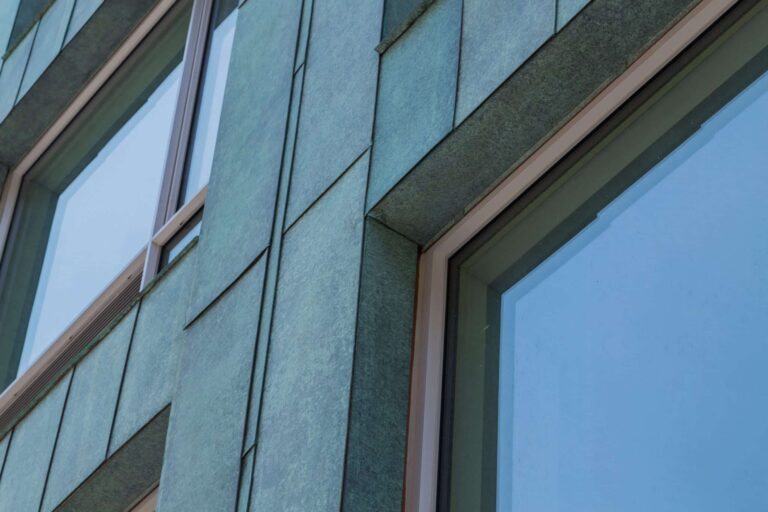
Discover the distinct beauty of Star Blue™ Copper's blue-green patina, where oxidation and surface chemistry combine to produce a range of cool hues that evoke sky, water, and aged verdigris. Unlike traditional patination, these tones are engineered for a controlled response, creating surfaces with natural variation — and without the inconsistencies of natural patination. Star Blue offers designers a bold material with enduring performance.

Copper Guide Part 3: Dirty Penny™ Iridescent Copper Patina

Copper Guide Part 3: Dirty Penny™ Iridescent Copper Patina

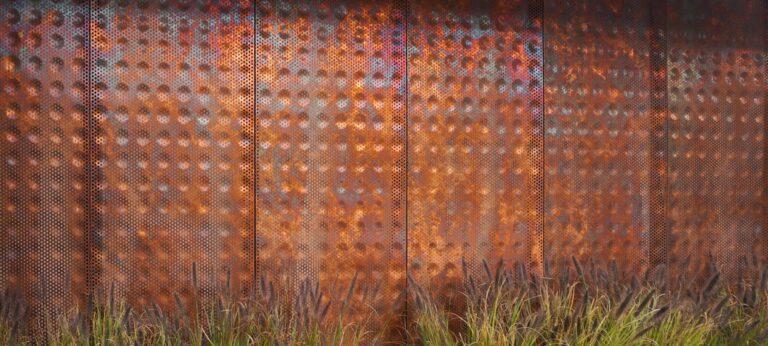
Explore Dirty Penny™ Copper, a richly layered surface that captures the warmth and depth of naturally aged copper while offering greater consistency and control. Its irridescent tones and subtle variation create a material presence that feels both timeworn and intentional, expanding the design vocabulary for architects seeking patina with depth, stability, and long-term performance.

Copper Guide Part 2: Finishes, Patinas, and Textures

Copper Guide Part 2: Finishes, Patinas, and Textures

Explore the rich array of copper finishes, patinas, and textures that give the material its characteristic depth and expressive range. From naturally developing verdigris to engineered surface treatments, these variations influence how copper interacts with light, time, and environment — shaping everything from subtle tonal shifts to dramatic color transitions. Understanding these surface possibilities helps designers wield copper not just as a structural metal, but as a dynamic, evolving aesthetic component in architectural and sculptural work.

Copper Guide Part 1: History, Alloys, and Architectural Legacy

Copper Guide Part 1: History, Alloys, and Architectural Legacy

Explore how copper and its alloys have shaped human creativity and construction from ancient civilizations to the present day. Celebrated for its warm tones, durability, and timeless patina evolution, copper has been both a practical material and a design catalyst — influencing iconic forms in architecture, craft, and engineering. Its adaptability across climates and applications reflects a material legacy that continues to inspire contemporary design sensibilities and technical innovation.