Get Inspiration, Delivered.
Join our newsletter and get inspiring projects, educational resources, and other cool metal stuff, straight to your inbox.
Table of Contents
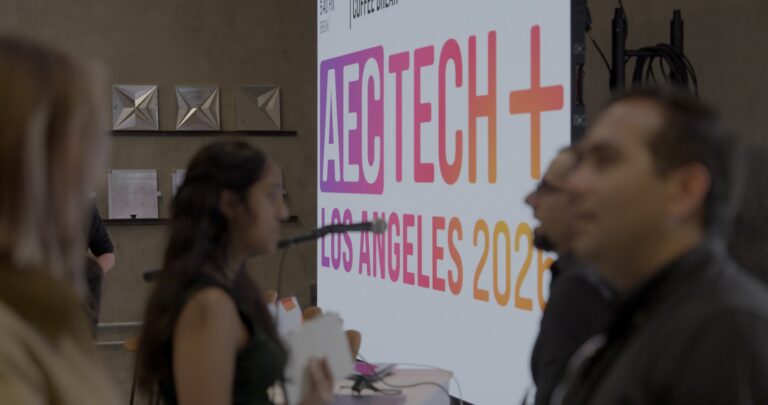
Hosted by Thornton Tomasetti, AECtech spans virtual and in-person workshops, tech tours, in-person sessions, a full-day symposium, and a hands-on hackathon—creating a forum where research, technology, and real-world construction converge.
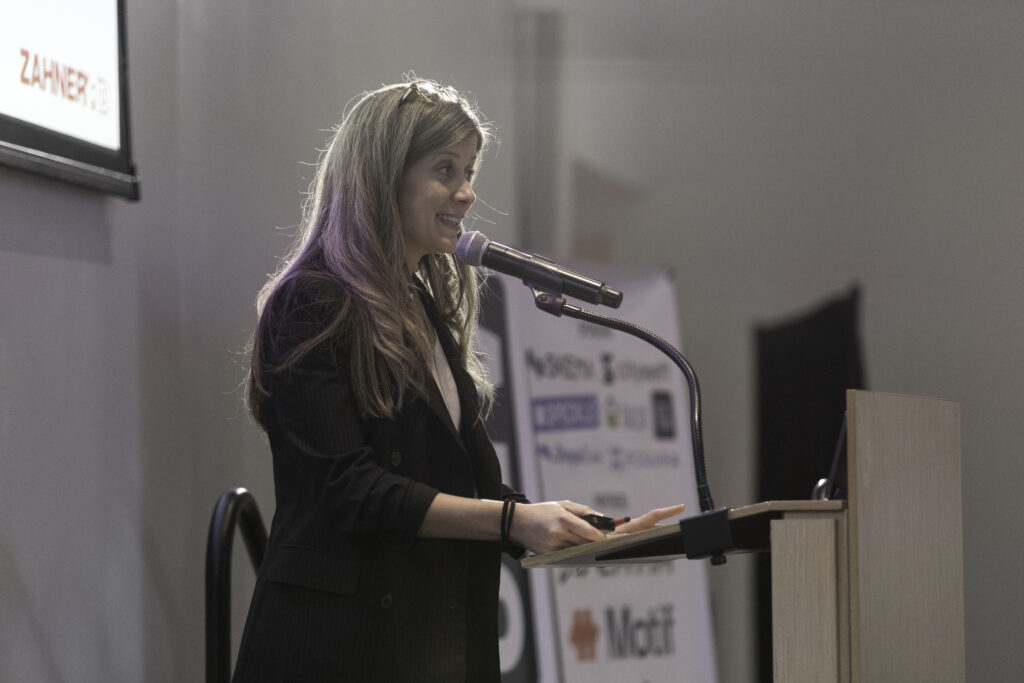
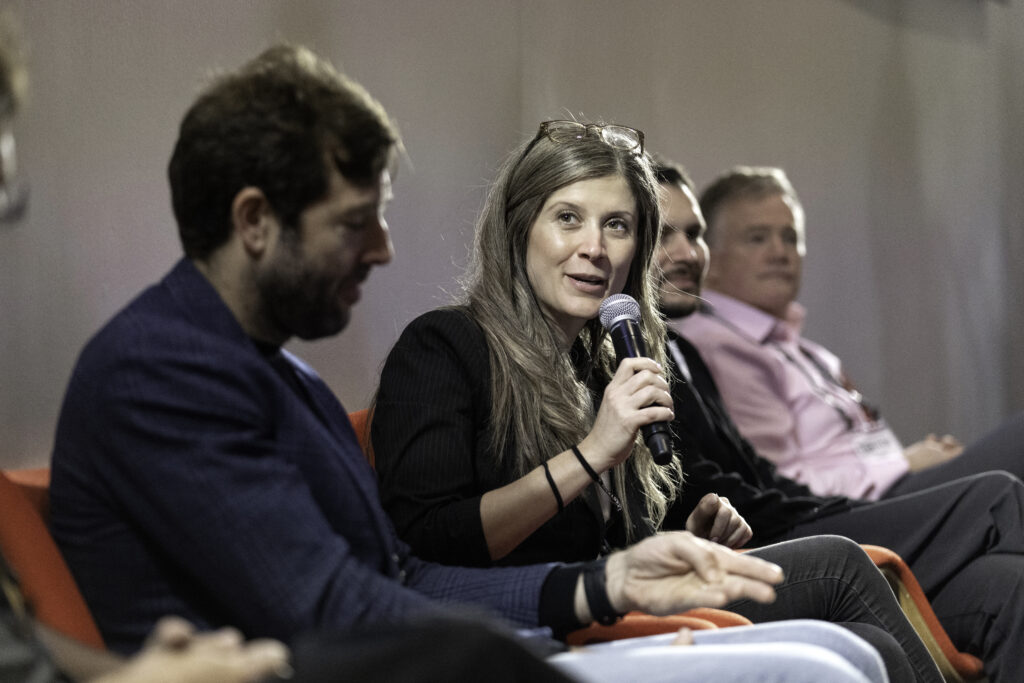
Within that context, Nalinci shared how Zahner is translating generations of craft knowledge into computational systems that extend human expertise rather than replace it, while supporting designers, fabricators, and installers across the full lifecycle of complex architectural projects.

Photo © A. Zahner Company.
From Tacit Craft to Computational Knowledge
Zahner’s history is built on innovation driven by necessity, from early sheet-metal machines to pioneering CNC fabrication tied directly to architectural models. Yet, the most valuable knowledge at Zahner has always lived in the hands of its people.
Knowing when metal is too hot, how far a panel can flex, or how to control variation in a patina finish are decisions made through experience. Zahner’s research question is not how to replace that knowledge, but how to make it enduring, transferable, and scalable.
Four Dimensions, One Integrated Approach
Zahner’s R&D efforts are organized around four interdependent dimensions: Hardware & Robotics, Software & Computation, Material Innovation, and Lifecycle Knowledge. Rather than operating as silos, these dimensions form a single system that evolves with every project.
In the shop, robot-assisted welding exemplifies Zahner’s philosophy not just in theory but in practice. Automation is applied where it adds clarity—positioning and orientation—while skilled union welders retain control over the weld itself.
Video © A. Zahner Company.
This approach has been critical for complex restoration projects like the Air Force Academy Cadet Chapel, where thousands of unique components were fabricated from scanned field conditions and installed to tight tolerances.
Extending Computation to the Field
Installation remains one of the riskiest phases of construction. Zahner’s response has been SurveyLink, an in-house platform that connects design models directly to field instruments, reducing layout uncertainty and accelerating feedback loops.
SurveyLink has been deployed across multiple large-scale projects, driving thousands of anchors and outriggers with real-time alignment to actual site conditions. Each deployment generates data that feeds back into future workflows, strengthening coordination between the shop, field, and design teams.
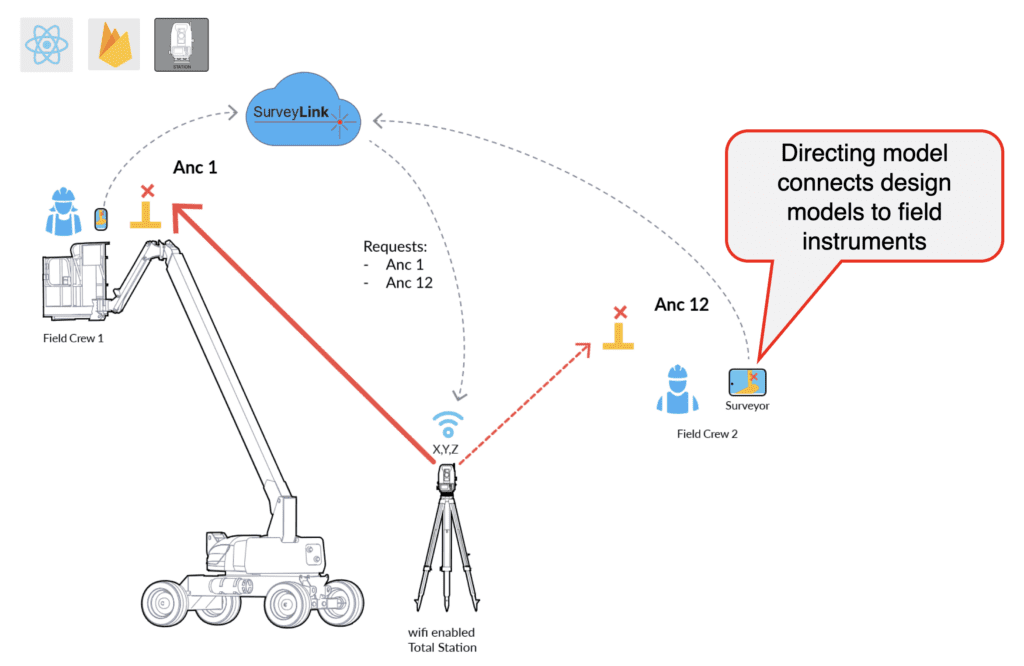
Photo © A. Zahner Company.
Video © A. Zahner Company.
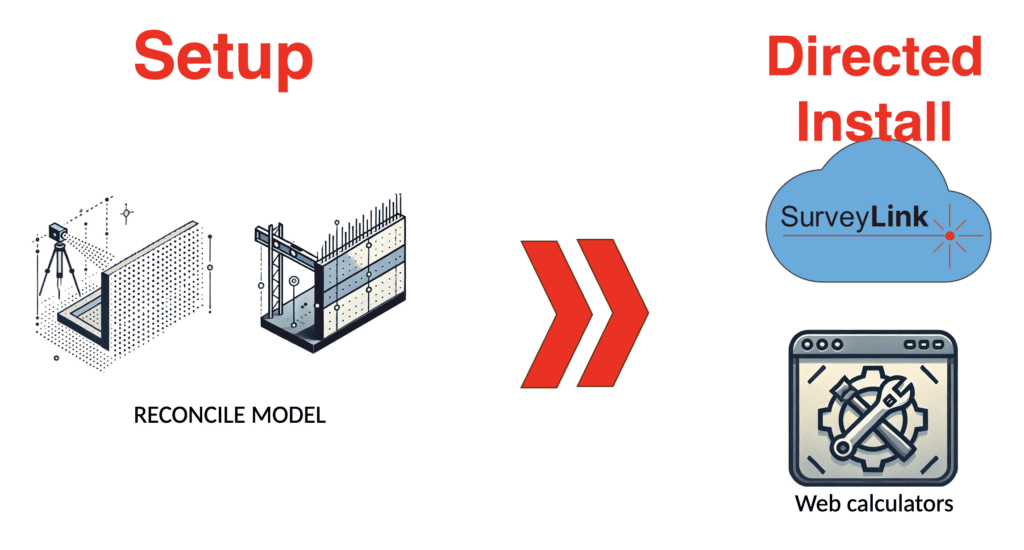
Photo © A. Zahner Company.
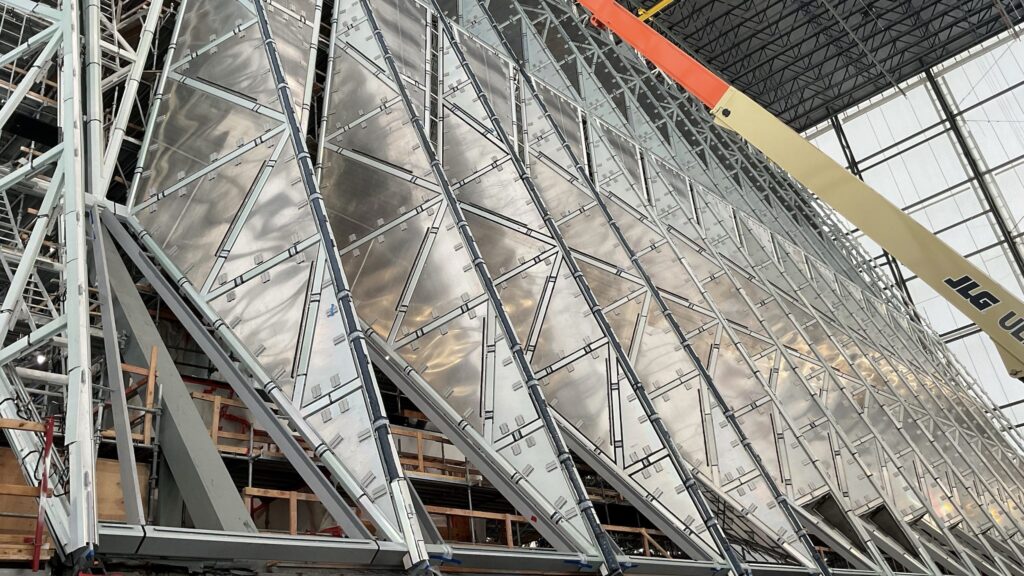
Photo © A. Zahner Company.
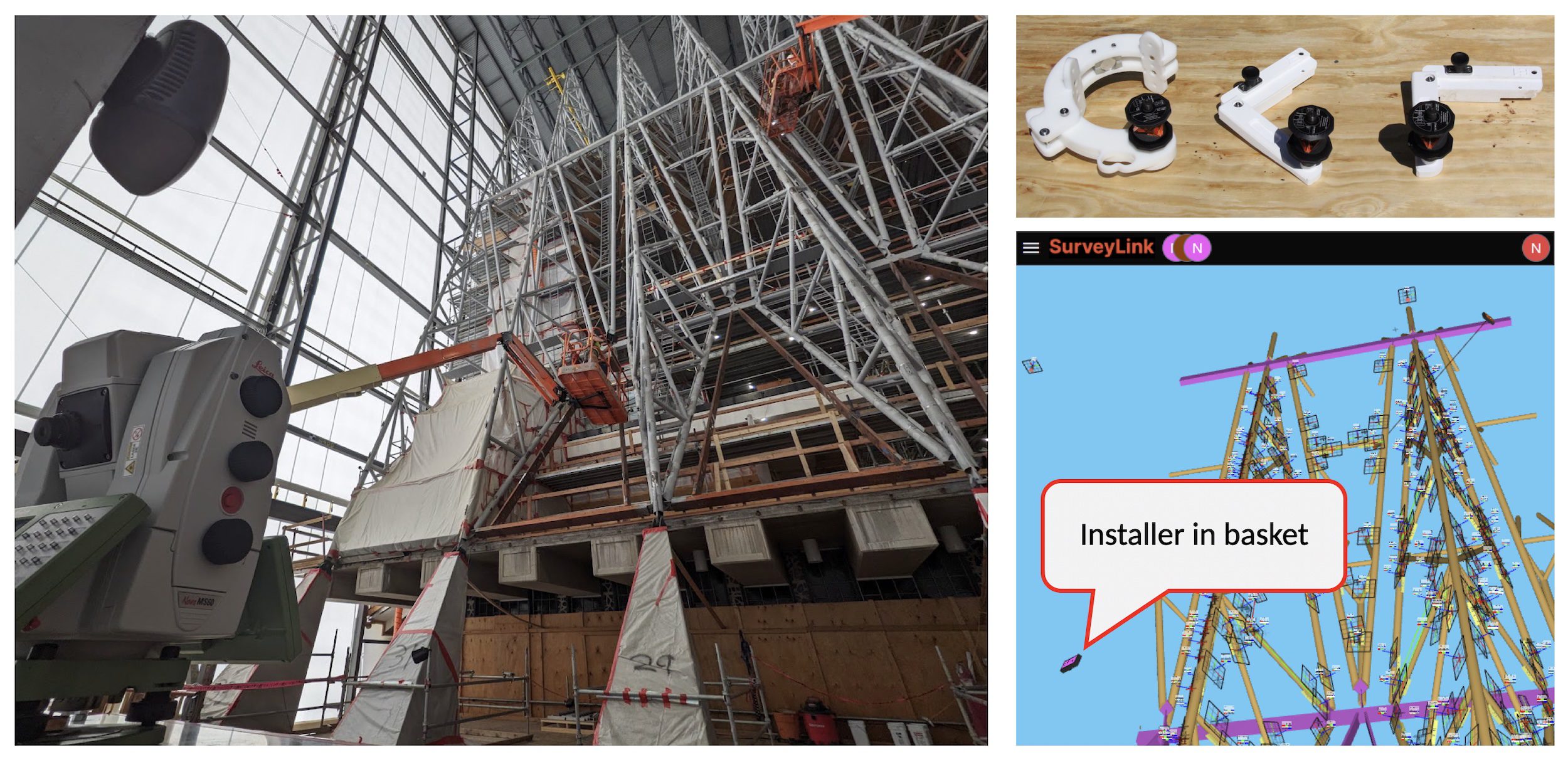
Photo © A. Zahner Company.
Much of this computational infrastructure is developed in collaboration with Zahner’s software and computation group, led by Nathan Barnes, whose work focuses on connecting digital models, fabrication logic, and site reality into unified systems.
Learn more about SurveyLink and Robot-Assisted Welding in Nalinci & Barnes’s Acadia 2024 paper, Direct Delivery of Pose (Position and Orientation): Human-Robot Workflows in the Shop and Field, published with Dan Rothbart and Vahid Koliyaee.
Designing Beyond Geometry: Computational Patinas
Zahner’s research extends beyond form into the behavior of metal surfaces themselves. Selective Patina, with its patent-pending process combining chemistry, fluid dynamics, and motion control, was introduced as a programmable system to add another dimension to patinas and finishes.
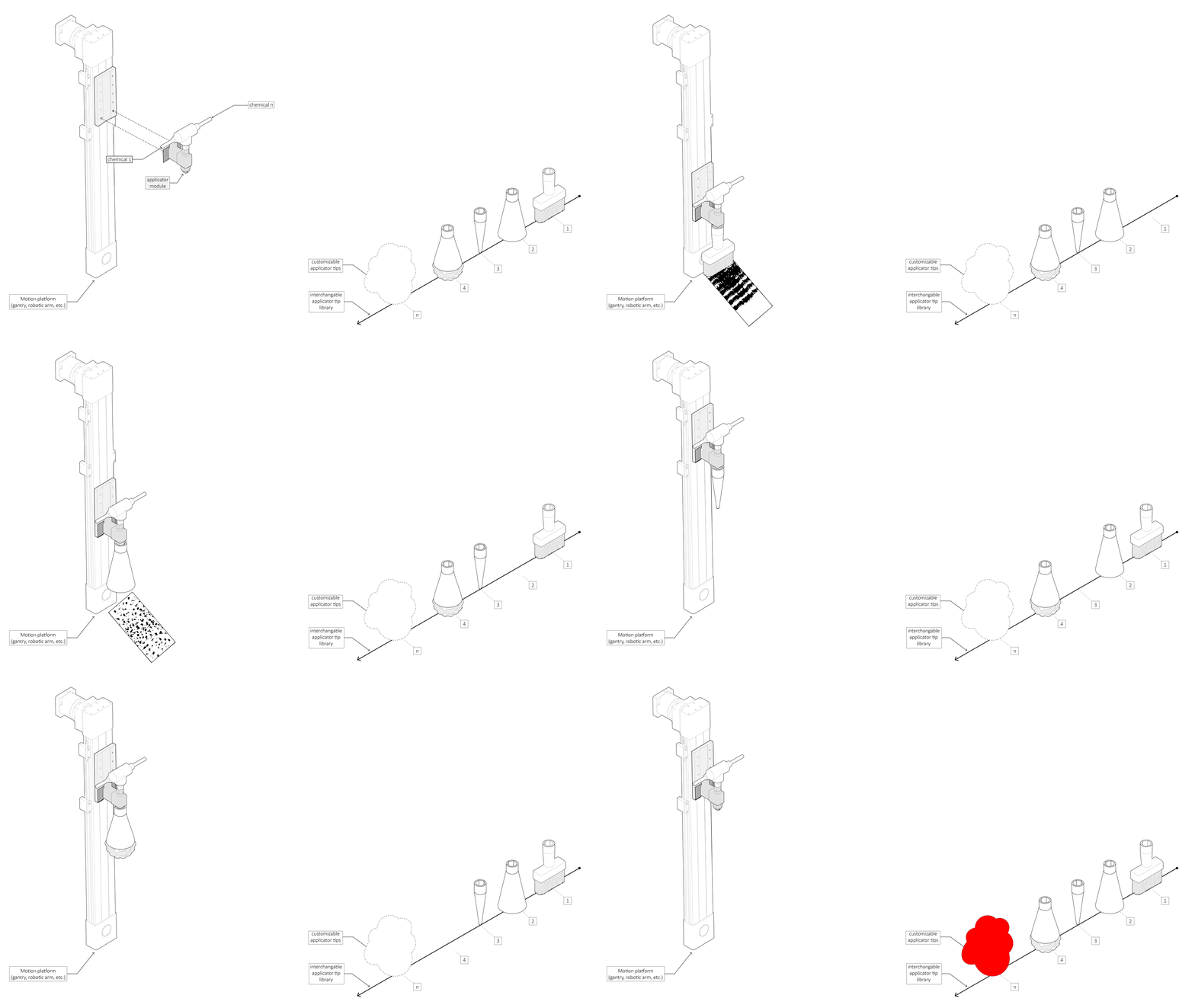
Photo © A. Zahner Company.
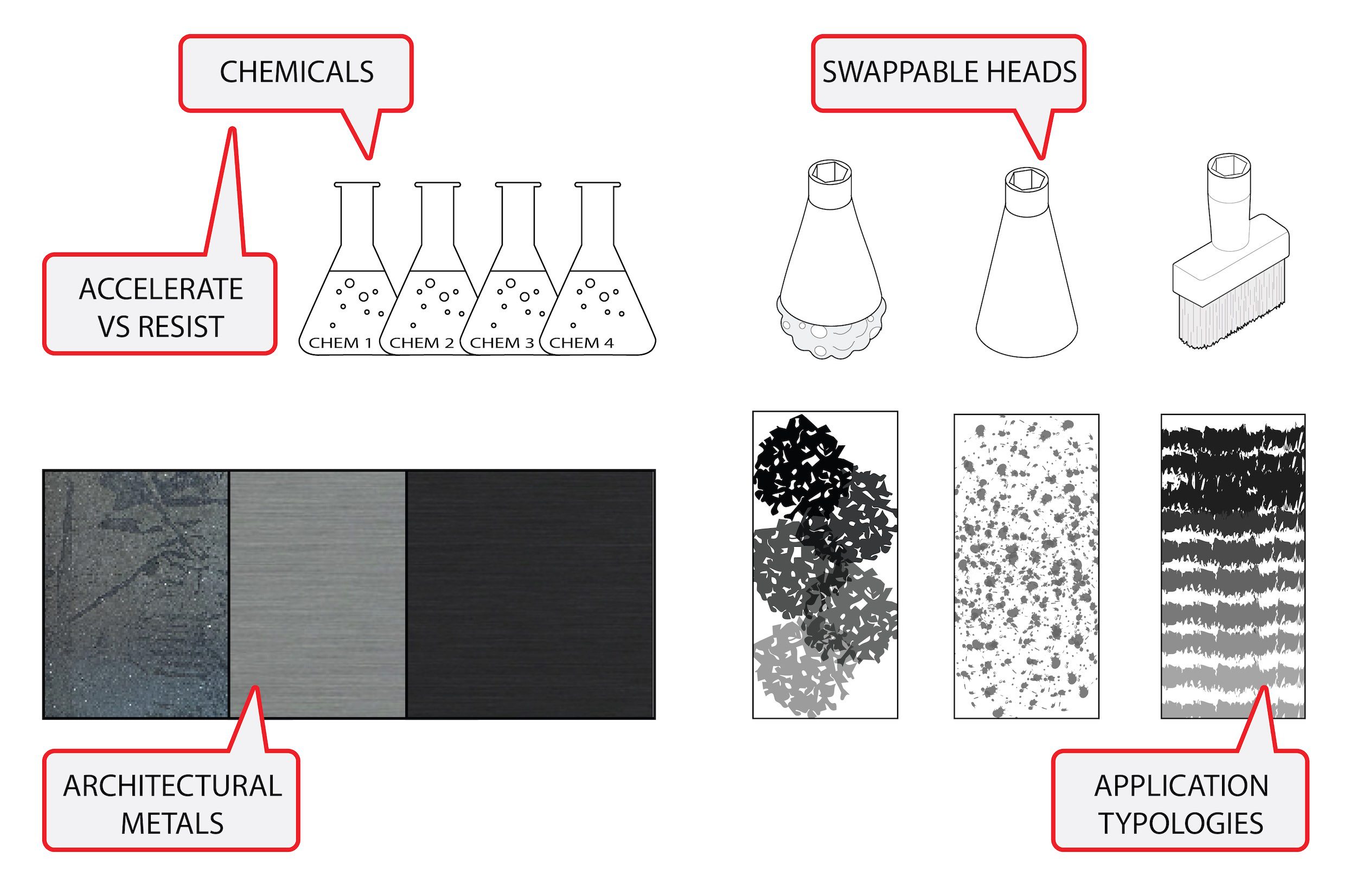
Photo © A. Zahner Company.
Video © A. Zahner Company.
Video © A. Zahner Company.
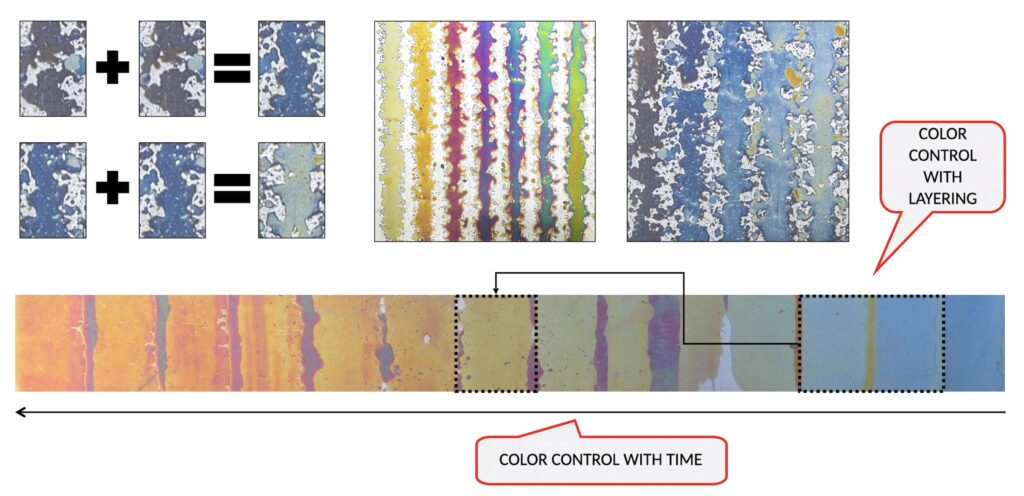
Photo © A. Zahner Company.
This work also feeds into Zahner’s emerging Computational Patinas framework, which links laboratory testing, field data, historic records, and environmental modeling to predict how surfaces will age across different climates and conditions.
Making Knowledge Generative
The unifying goal of Zahner’s research is translation, turning tacit craft into structured, generative knowledge that informs design decisions across the full lifecycle of a project.
By connecting people, processes, and materials through adaptive systems, Zahner continues its long-standing tradition of innovation, ensuring that the instincts of today’s craftspeople shape the architecture and technological advancements of tomorrow.
See More from AECtech 2025
Watch the full presentation or learn more about AECtech and the AECtech 2025 conference: