Get Inspiration, Delivered.
Join our newsletter and get inspiring projects, educational resources, and other cool metal stuff, straight to your inbox.
However, when incorporating these materials into solid-panel or perforated facade panels, such as Zahner’s ImageWall®, it’s important to understand how they interact with attachment systems and supporting materials. Though Zahner’s Drop & Lock™ system was originally optimized for aluminum and stainless steel applications, copper and zinc can also be successfully used when certain design considerations are addressed early in the process. There are important design, pricing, and installation details to keep in mind so that system components fit and perform as planned.
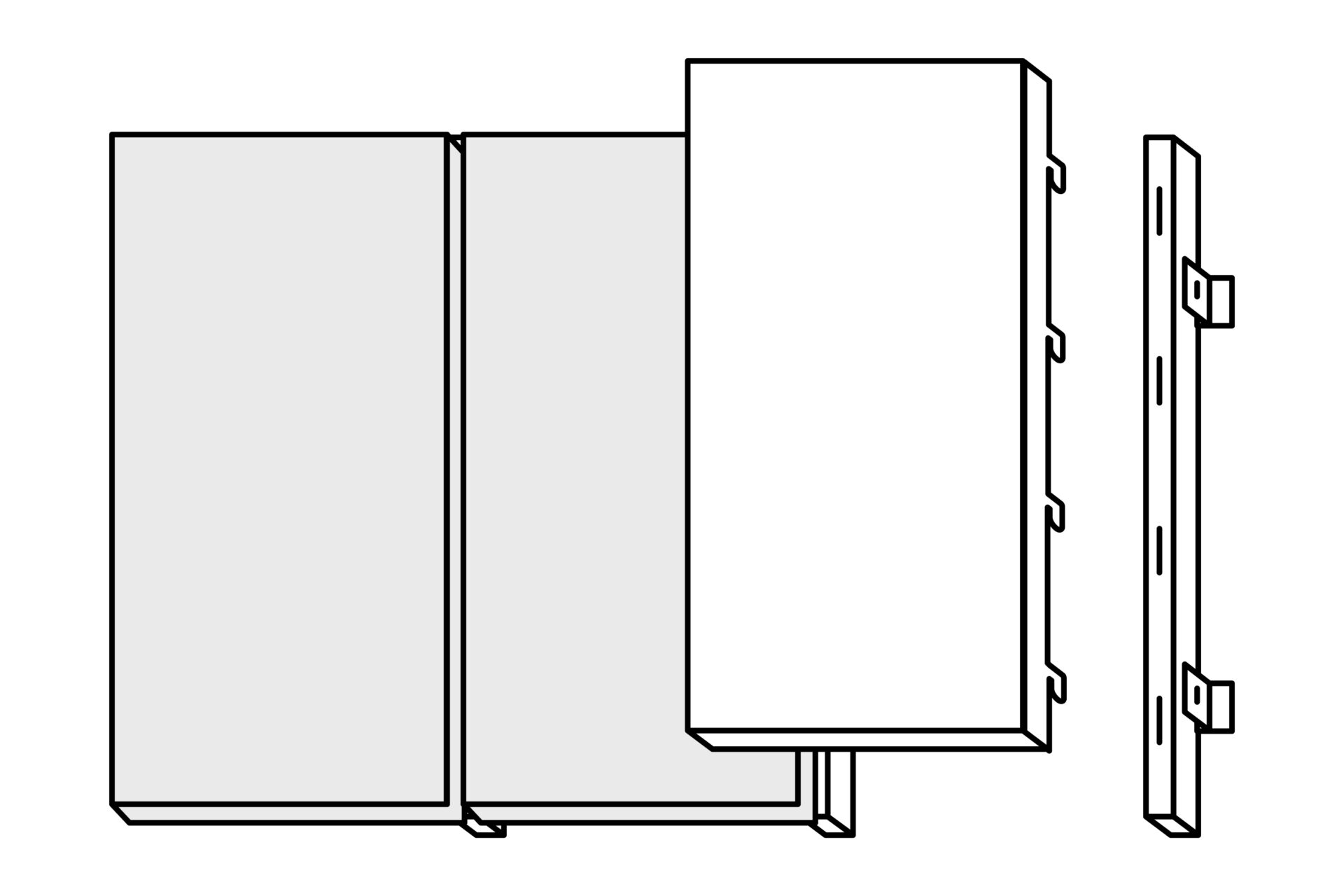
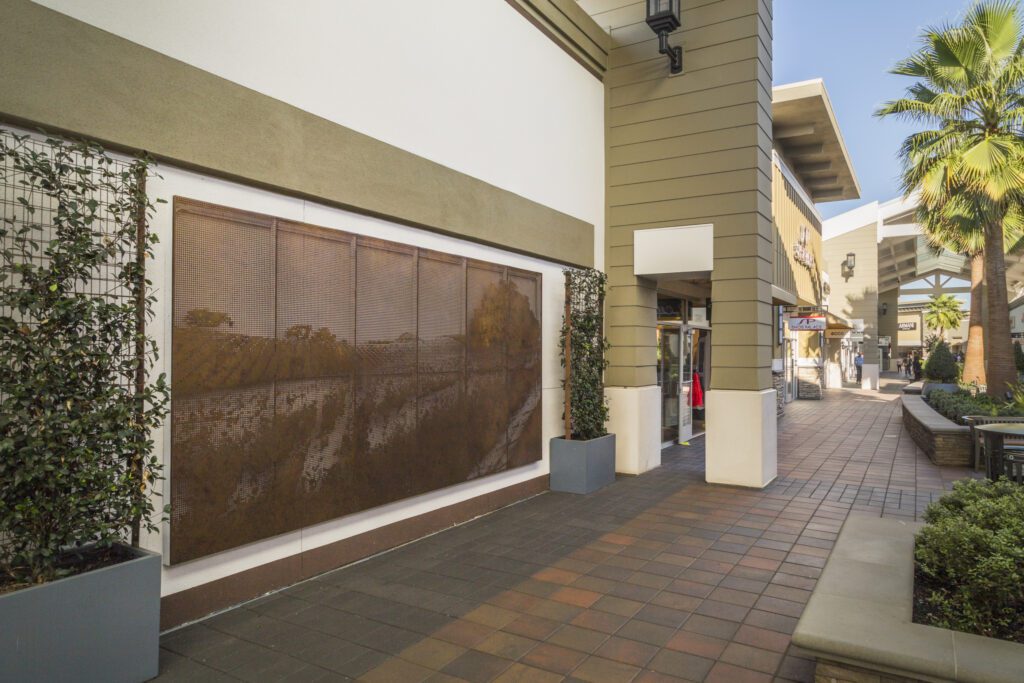
Photo © A. Zahner Company.
Why Drop & Lock Excels with Aluminum and Stainless Steel
The Drop & Lock system was engineered to simplify installation, improve panel alignment, and create large-scale image facades using perforated metal panels. Aluminum and stainless steel are particularly well-suited to the system because they offer an ideal combination of strength, dimensional stability, and compatibility with the system’s aluminum attachment components.
These materials maintain rigidity across larger panel sizes and can achieve the precise tolerances required for high-resolution custom perforated imagery.
For most projects, aluminum and stainless steel perforated panels remain the most efficient and cost-effective materials for Drop & Lock installation applications.
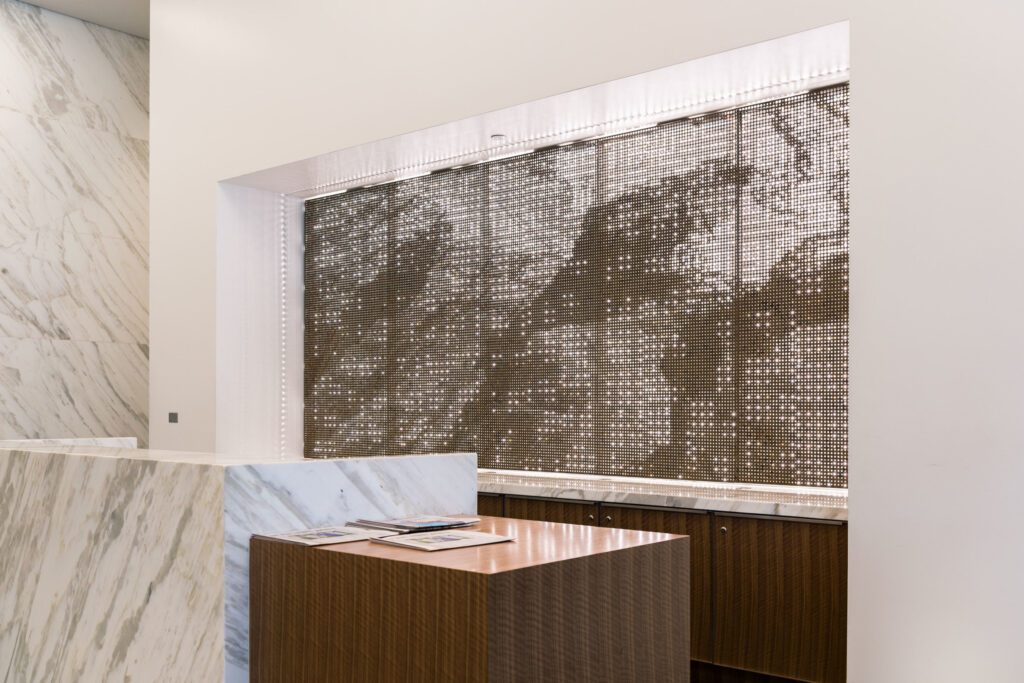
PHOTOGRAPH BY MATT BRODEUR.
The Challenge of Dissimilar Metals: Galvanic Corrosion
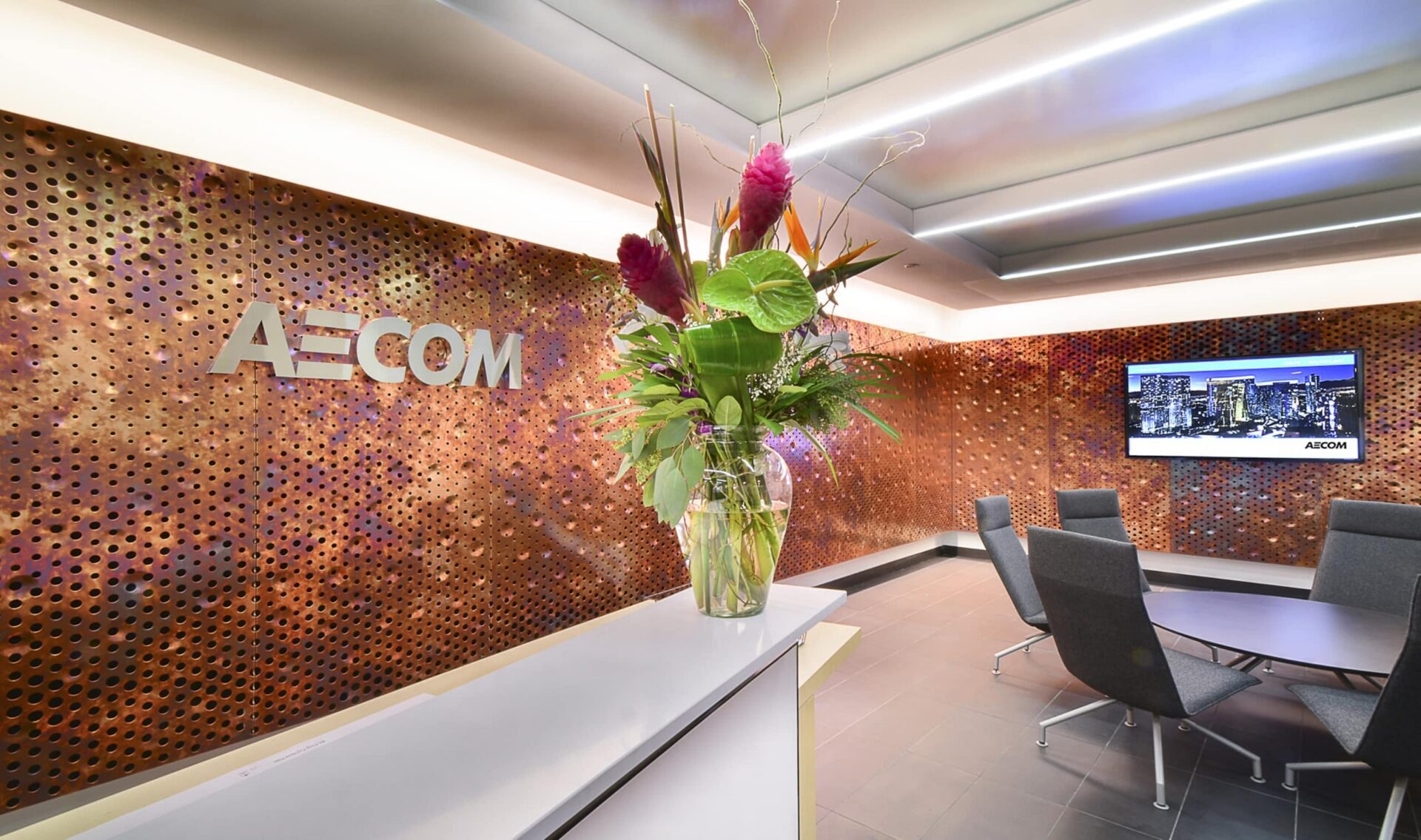
When introducing Zahner signature Surfaces such as Dirty Penny Copper™, Baroque™ Zinc, brass, and other specialty metals into an aluminum-based attachment system, designers must account for galvanic corrosion, sometimes referred to as a dissimilar metals reaction.
Galvanic corrosion occurs when two different metals come into direct contact in the presence of moisture, creating an electrochemical reaction that can accelerate deterioration over time.
To prevent this, copper and zinc panels used with the Drop & Lock aluminum system require a stainless steel isolation insert between the facade panel and the aluminum attachment components. This separation effectively eliminates direct metal-to-metal contact and helps preserve the assembly’s long-term performance.
While highly effective, the additional stainless steel components add material, fabrication, and installation costs that should be considered during budgeting and specification.
Material Flexibility Matters
Copper and zinc are considerably more malleable than aluminum or stainless steel. While this characteristic can be advantageous for certain architectural applications, it creates additional challenges when designing custom perforated image facades. Because these metals are softer, they tend to experience greater deflection at standard sheet thicknesses.
In practical terms, this means larger panel sizes may be more susceptible to movement, waviness, or oil-canning effects than comparable aluminum or stainless steel panels.
One solution is to increase material thickness, but this can significantly increase project costs, particularly when working with premium metals such as copper.
A more efficient approach is to reduce panel width and overall panel size. Narrower panels improve stiffness, reduce deflection, and allow designers to maintain desired visual performance without moving to substantially heavier gauges.
Sheet Size Limitations
Another factor frequently overlooked during schematic design is material availability and panel sizing options.
Unlike aluminum, copper and zinc are generally not produced in 48-inch-wide sheets. Most architectural sheet products are typically available in widths of 36 or 39 inches. These limitations can influence panel layouts, image scaling, seam locations, and overall facade composition and pricing.
Early coordination between the design team and the facade fabricator can help avoid redesigns later in the project and ensure the intended visual effect is achieved within the available material dimensions.
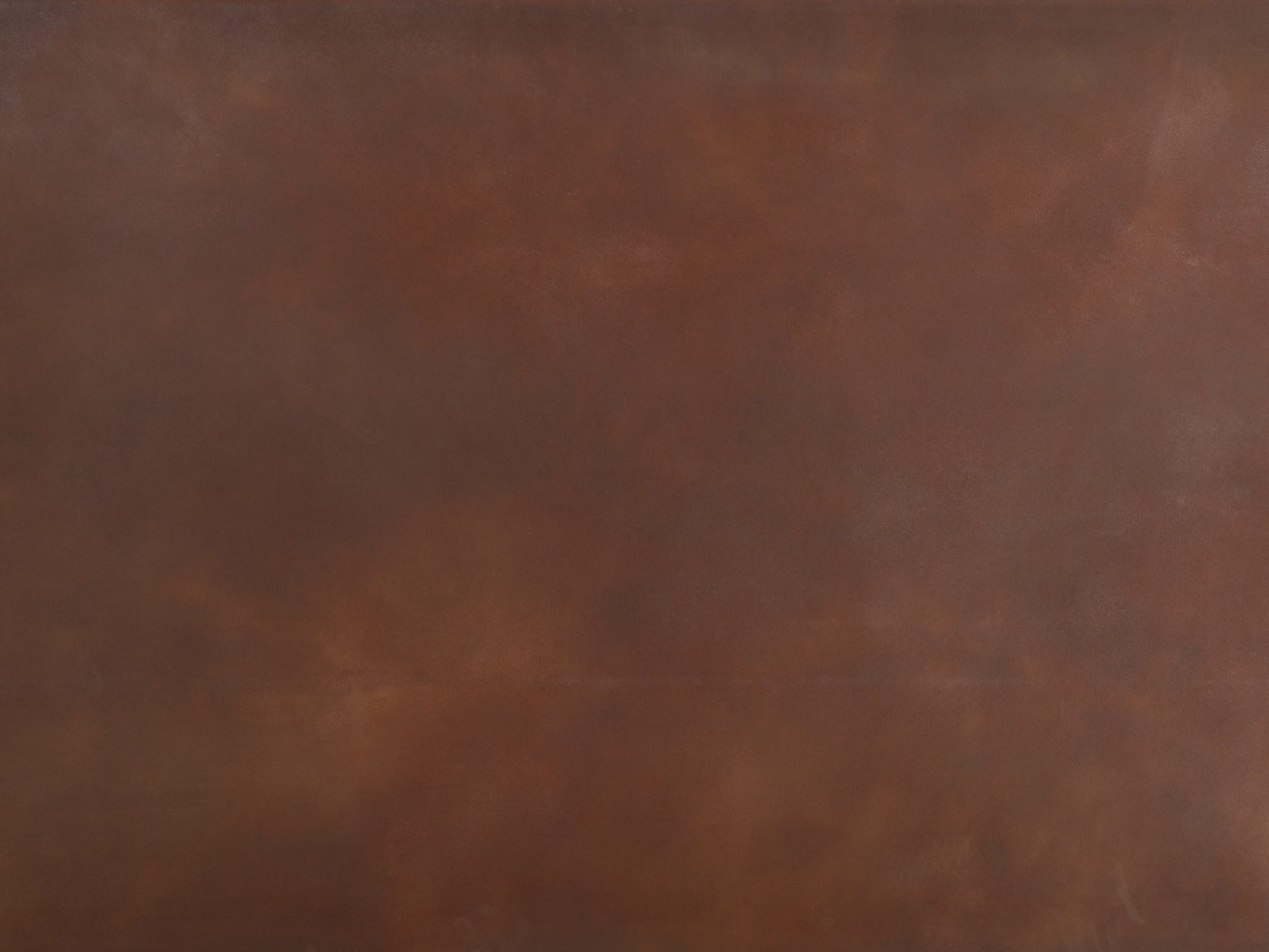
Photo © A. Zahner Company
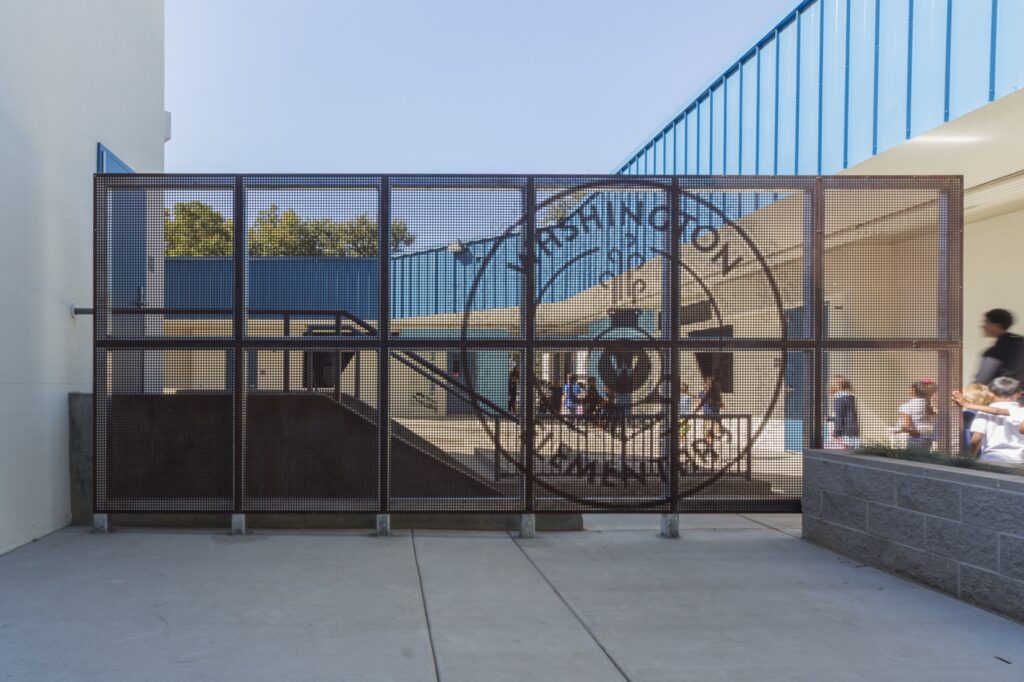
Photo by Tex Jernigan © A. Zahner Company 2016
Solanum® Preweathered Steel: A Non-Reactive Metal Panel Alternative Worth Considering
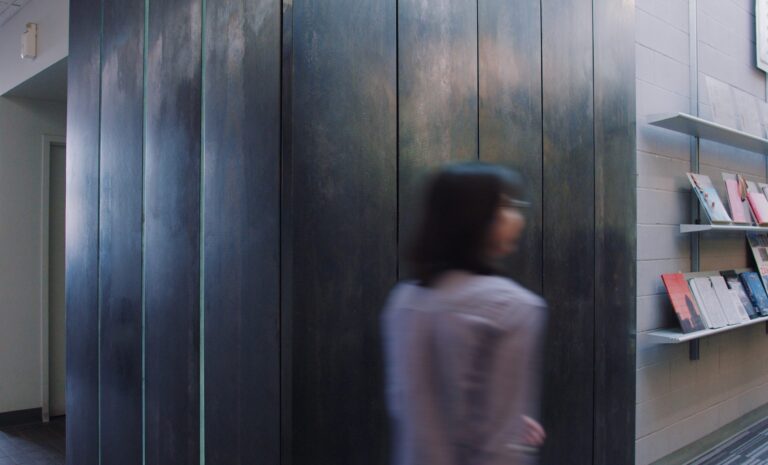
For projects seeking a darker, more expressive material palette, Solanum can often achieve many of the same design objectives as copper or zinc while remaining fully compatible with Drop & Lock applications.
Solanum offers excellent structural performance and can support the same image-based perforation tactics commonly used with aluminum and stainless steel. Designers should note, however, that darker materials require greater attention to image contrast.
Because perforated image facades rely on light and shadow to create visual legibility, dark-colored materials such as Solanum often benefit from a lighter-colored background surface behind the perforated panels. This contrast helps ensure the image remains visible and impactful from a distance.
Without sufficient contrast, even a well-designed perforation pattern can lose visual clarity.
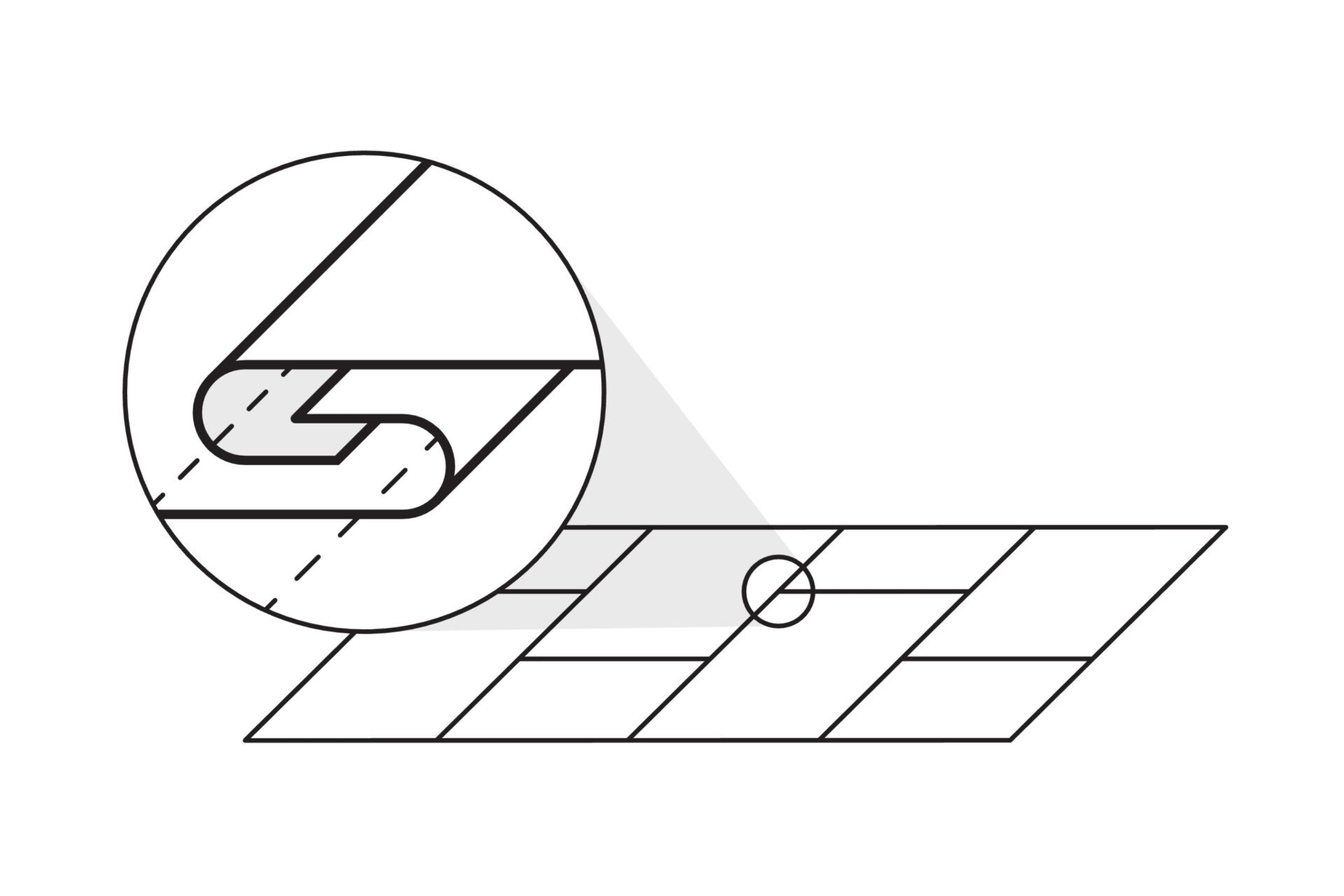

PHOTO © A. ZAHNER COMPANY.
When Flat Seam Facade Cladding System May Be the Better Solution
For projects where Zahner metal patinas such as Star Blue™ Copper or Hunter™ Zinc are the primary design drivers, Zahner’s Flat Seam™ system is often a more natural fit. Flat Seam assemblies have long been used with these materials and are specifically suited to the characteristics of softer architectural metals. The system accommodates thermal movement, material flexibility, and traditional detailing approaches commonly associated with copper and zinc facades.
While Drop & Lock remains possible, Flat Seam may offer greater design efficiency and cost-effectiveness, depending on the project goals.
The best solution ultimately depends on the desired visual outcome, budget, panel size, and performance requirements.
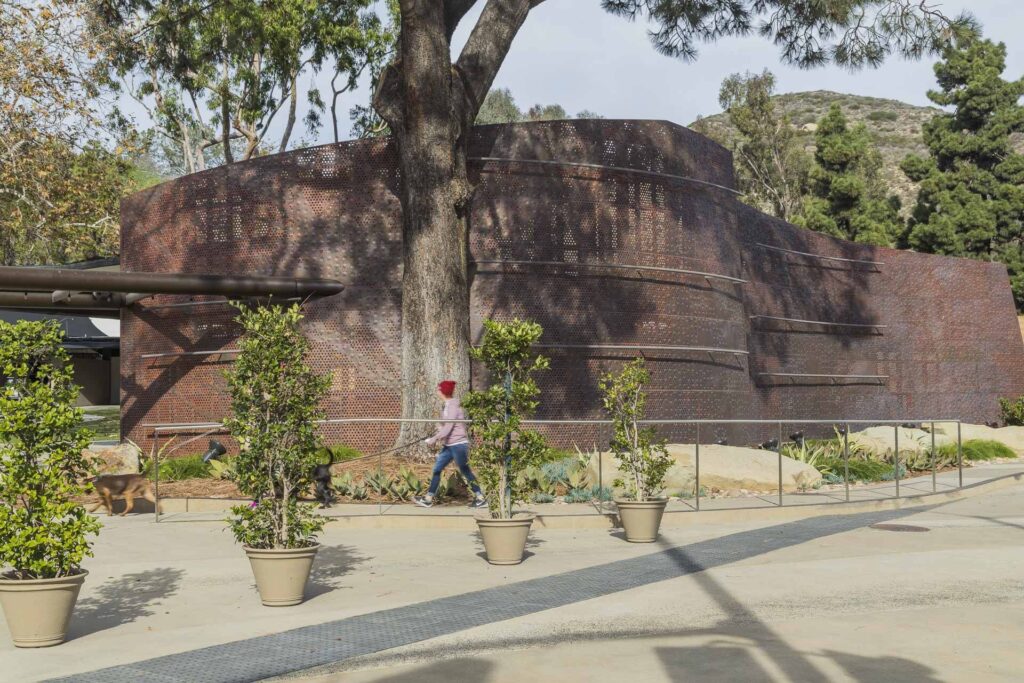
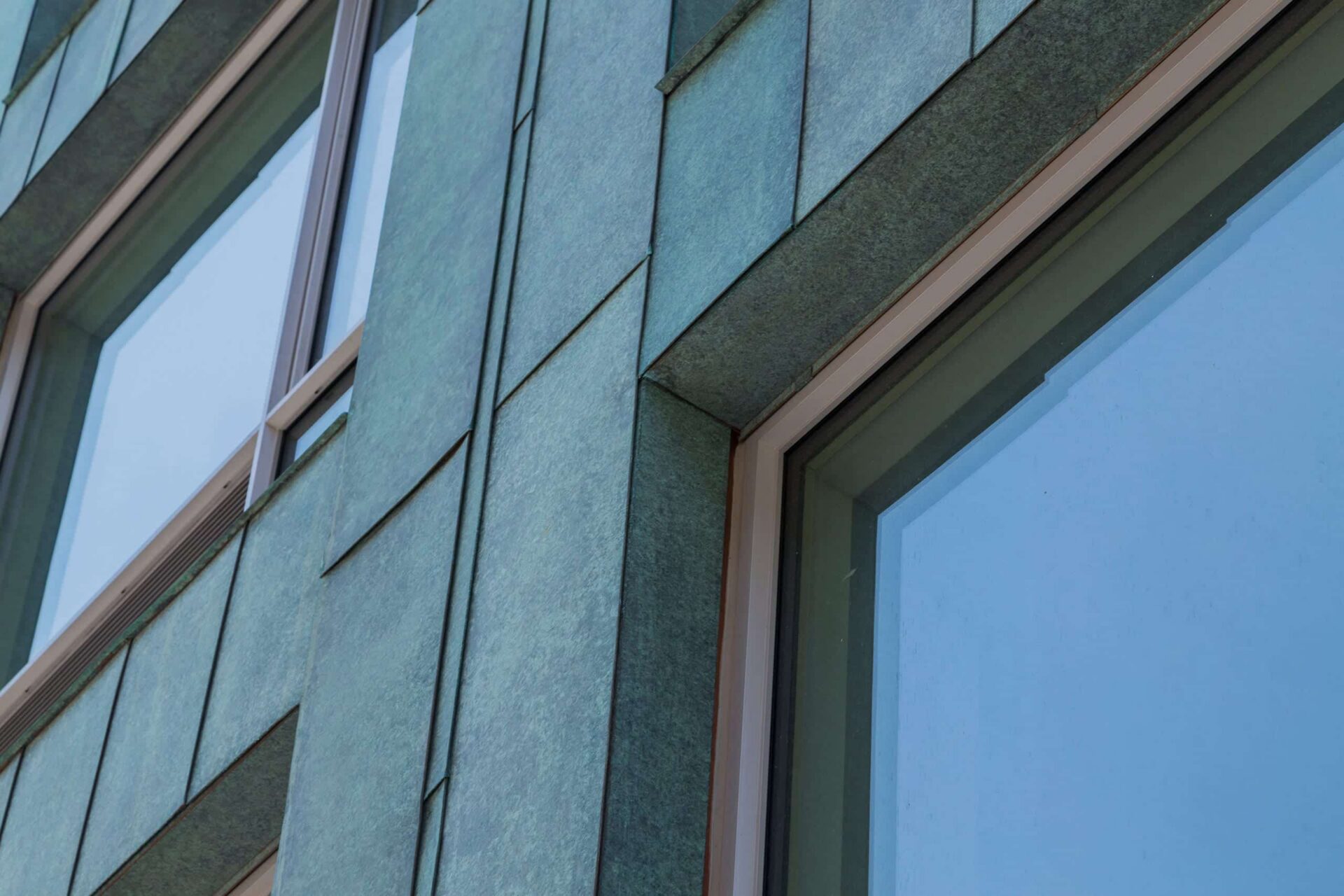
Photography © Randall Stout Architects
Designing for Visual Impact and Long-Term Performance
Every architectural metal brings its own opportunities and constraints.
Copper and zinc can absolutely be used in an ImageWall perforated panel project and a Drop & Lock installation, but achieving the best outcome requires thoughtful consideration of galvanic isolation, panel sizing, material flexibility, fabrication constraints, and overall project economics.
By understanding these factors early in the design, fabrication, and construction process, designers and architects can make informed material decisions that balance aesthetics and performance, while also enabling cost-effective constructability.
No two projects are alike, and neither are the materials that bring them to life. If you’re considering copper, zinc, preweathered steel, aluminum, or another specialty metal for your next facade, the Zahner team is here to help. Reach out to discuss your project, explore material and system options, and discover the best solution to achieve your design goals.