Sustainability

Blog
Evaluating the Environmental Impact of Architectural Metals with the Life Cycle Assessment

Evaluating the Environmental Impact of Architectural Metals with the Life Cycle Assessment

Learn how the Life Cycle Assessment accounts for the environmental impact of metal material from its initial extraction, through manufacture and use, and on to the end of its designed useful life.
Exploring Metal’s Role in Sustainable Architecture

Exploring Metal’s Role in Sustainable Architecture

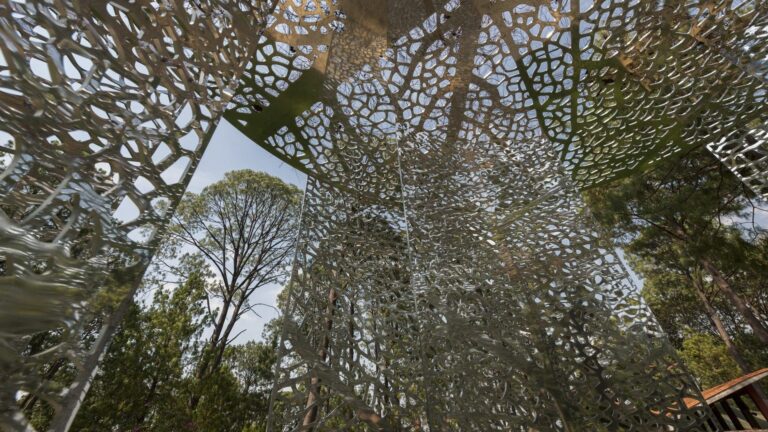
There is a growing acknowledgement that the need for environmental stewardship is the responsibility of everyone on this planet today. This has put greater emphasis on understanding and designing with materials with sustainable and ecological characteristics. And it has driven the need to take into account everything involved—the impact on the environment, the people working with the material, and the future generations.

Reducing Manufacturing Wastewater Production With Ion Exchange

Reducing Manufacturing Wastewater Production With Ion Exchange

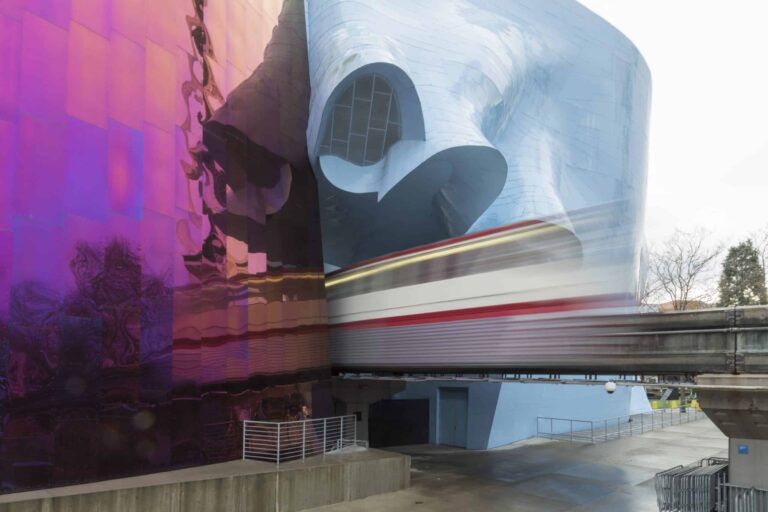
Sustainability is more than just an industry buzzword at Zahner. It’s a daily commitment to preserving and protecting the natural resources we’ve been entrusted with and using them responsibly in the built environment.

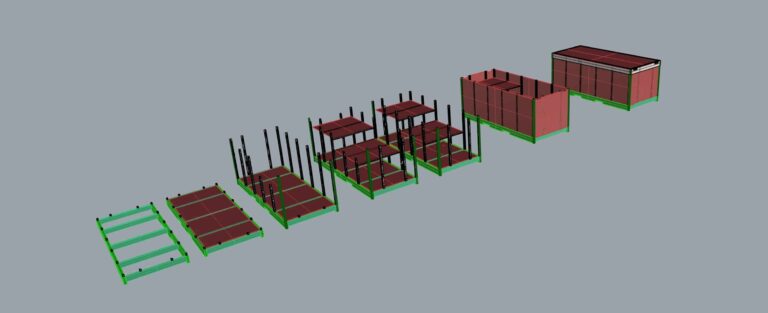
Thinking ‘Inside the Box’

Thinking ‘Inside the Box’

Whether it’s a new pre-engineered design, patina, finish, fabrication method – or even the re-imagining of the common shipping crate for finished materials – the wheels of invention and modernization never stop turning.

Discover the Sustainable Characteristics of Metal

Discover the Sustainable Characteristics of Metal

The growing importance of the consideration and use of sustainable materials depends on the relationship between the renewability of the natural resources and the material products that are generated from them. Renewable resources are considered to belong to the natural environment and are replaced by the natural processes that occur in that environment as part of an ecosystem. Non-renewable resources are natural resources that occur only in a fixed amount or are used up faster than nature can create and replenish them over geological time spans. The risk of depleting a natural resource can make their use less desirable when other, more sustainable, alternatives exist.