Get Inspiration, Delivered.
Join our newsletter and get inspiring projects, educational resources, and other cool metal stuff, straight to your inbox.
The project challenges a longstanding convention in architecture, engineering, and construction: the separation between design intent and fabrication. Traditionally, architects develop designs, computational tools translate them into machine instructions, and fabrication equipment executes those instructions. The physical results are often evaluated only after the work is complete.
But skilled craftspeople work differently. They continually observe how materials respond, make judgments, and adjust their approach as they go.
The big question posed by the KPF and Zahner teams: How can we bring design and fabrication into a continuous dialogue, with human expertise guiding the process?
How can we bring design and fabrication into a continuous dialogue, with human expertise guiding the process?
Closing the loop between design and making
The Zahner and KPF teams are developing an experimental fabrication system that uses cameras, computer vision, and AI to create a continuous feedback loop between design intent, machine movement, and material behavior.
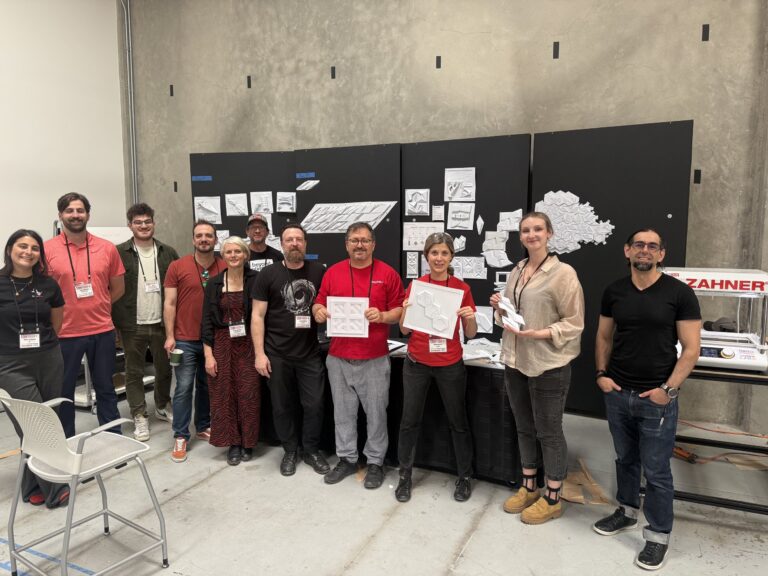
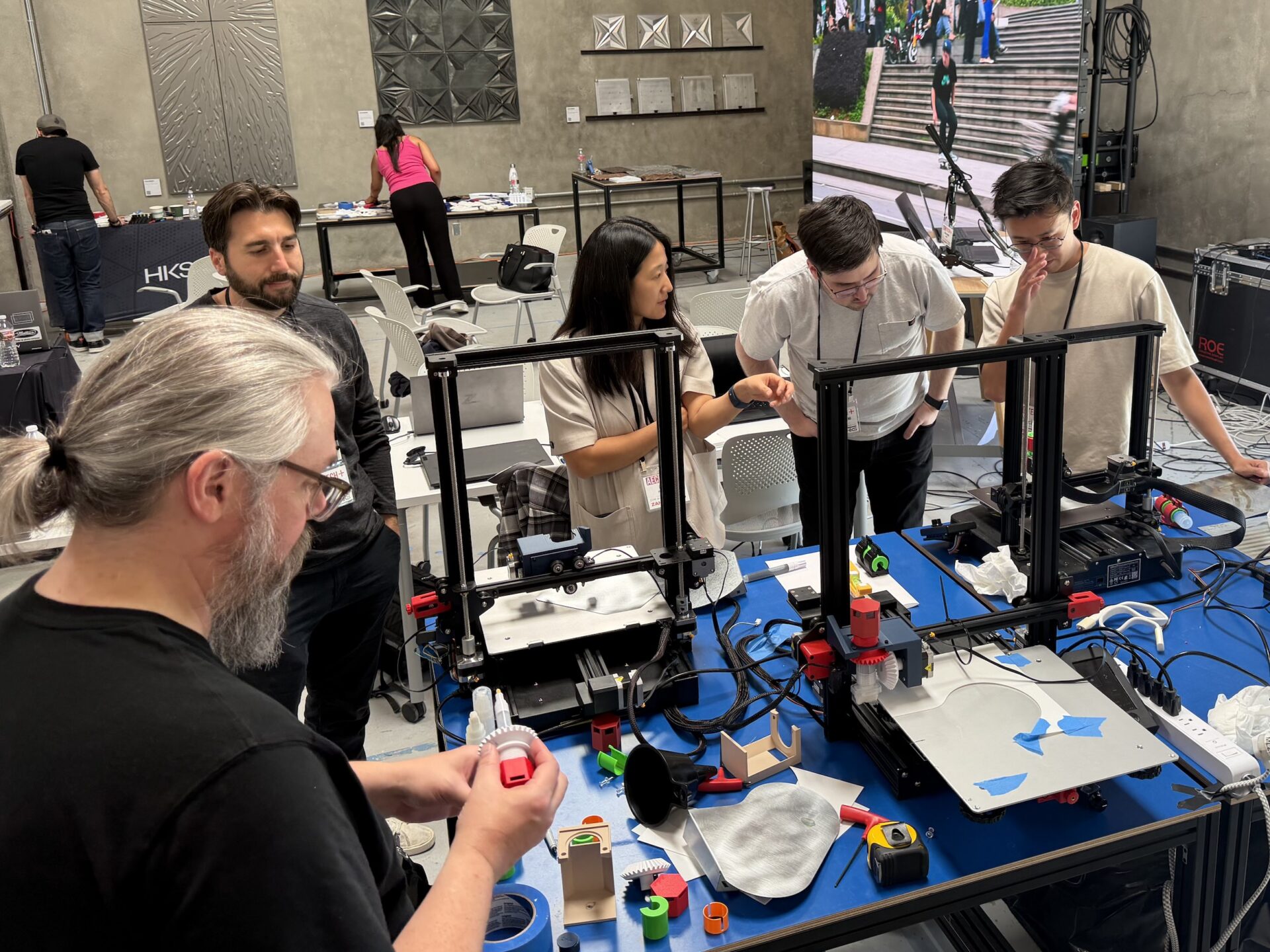
The workshop uses a repurposed machine that deposits acrylic material onto a surface, simulating aspects of Zahner’s Selective Patina process.
First, the workshop generates a digital pattern and translates it into machine instructions. As the machine applies material, a camera observes the physical result. Computer vision and machine learning compare that result with the intended design, creating opportunities to adjust machine speed, material flow, or movement while fabrication is underway.
Rather than simply executing a predetermined file, the machine can potentially respond to what is happening in the physical world.
The experiment also incorporates Zahner’s in-house AI platform, which helps connect design intent with knowledge generated during fabrication.
The goal is not to develop a single specialized machine, but to explore a transferable approach that could eventually work across different fabrication technologies, from desktop equipment to CNC systems and industrial robots.
Bringing human expertise and machine intelligence together
The collaboration brings together Zahner R&D engineers Vahid Koliyaee and Ethan Kerber with KPF’s Joe Brennan, Associate Principal and Senior Computational Designer; Darwin Diaz, Senior Digital Fabrication Specialist; and Quoc Dang, Environmental Performance Software Developer.
Together, they will lead “Reinforming Intent: Tracing AI Inside the Fabrication Loop” at AECtech NYC, where participants will experiment with adaptive fabrication and explore how human judgment, machine intelligence, and material behavior can inform one another.
The workshop reflects a broader ambition at Zahner: using technology not to replace the expertise of skilled craftspeople, but to extend that expertise into new tools, workflows, and generations of architectural innovation.

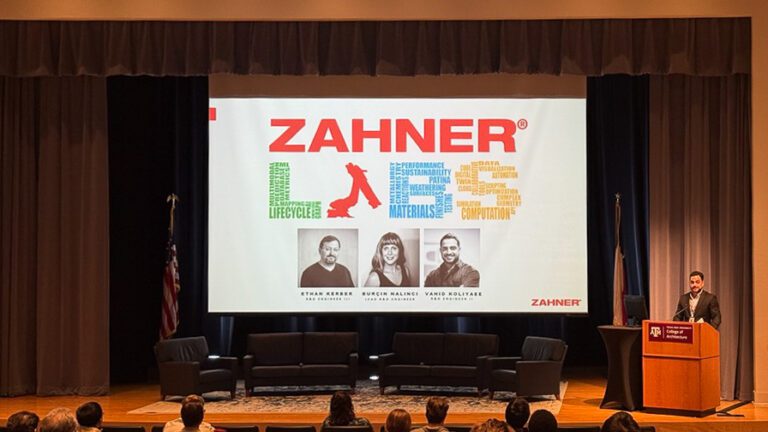
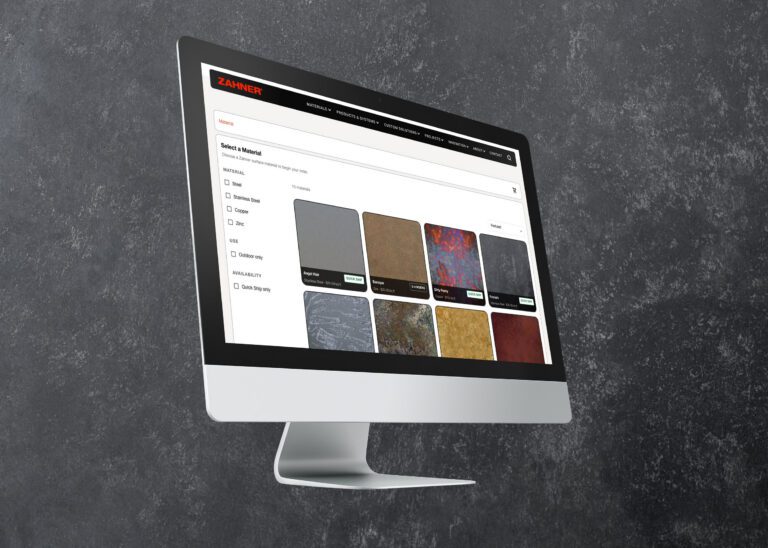
That same thinking will be explored by Zahner’s Burçin Nalinci, Lead Research And Development Engineer, in a presentation titled “Extending Hands, Connecting People: How Craft, Technology, and Knowledge Travel Across Generations.” Drawing on Zahner’s history of craft and invention, Nalinci will explore how lessons learned through collaboration and making can become shared knowledge that informs future work. She will introduce Helix, Zahner’s internal knowledge platform, and emerging tools that bring fabrication knowledge into the design process while ideas are still flexible.
For Zahner and KPF, the larger opportunity extends well beyond a single workshop or fabrication process. It lies in connecting designers, craftspeople, and computational tools so that material knowledge can inform design, and discoveries made during fabrication can inform the next project. Keeping people and their expertise at the center of that exchange can help increasingly ambitious architecture become achievable—and allow the knowledge behind it to travel across generations.