Articles

Blog
Dynamic Design and Feasibility Workflow

Dynamic Design and Feasibility Workflow

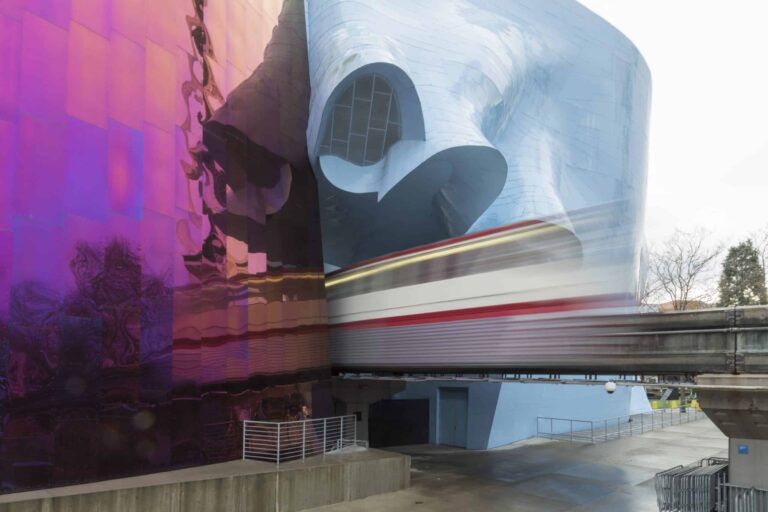
Complex projects—those with intricate geometries, specialty materials, and aggressive timelines—leave little room for errors or design missteps. Hitting the mark the first time, or as early as possible in the design process, is the key to overall productivity, profitability and success. Navigating the design space of a project is a non-trivial task (Figure 1) – without fabricator input architects cannot calibrate design decisions for cost and quality.

MaterialComposer

MaterialComposer

Zahner projects are composed of a small number of base metals: Steel, Aluminum, Zinc, and Copper. From there the list grows with a select set of alloys like Stainless Steel (304, 316), Weathering Steel (A606, A588), Anodized Quality Aluminum, Brass, Silicon Bronze, etc. Once you add the varying finishes, coatings, and surface treatments, thousands of options become available for use on architectural projects.

Exploring Metal’s Role in Sustainable Architecture

Exploring Metal’s Role in Sustainable Architecture

Manufacturing considerations and the recyclability of aluminum, copper, stainless steel, steel, and zinc.

Labs Report 002: Notes from the Field

Labs Report 002: Notes from the Field

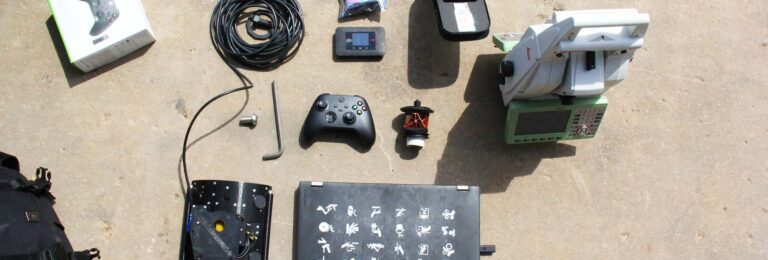
Zahner Labs employs a spiral development method for producing products, tools and services. We take ideas through a series of Design > Build > Test > Analyze loops, which allow for stress-testing concepts and integrating feedback. We’ve employed this process in previous product concept “splashes,” including Zinc Concepts, SurveyLink, and Precision Patina.

Reducing Manufacturing Wastewater Production With Ion Exchange

Reducing Manufacturing Wastewater Production With Ion Exchange

Sustainability is more than just an industry buzzword at Zahner. It’s a daily commitment to preserving and protecting the natural resources we’ve been entrusted with and using them responsibly in the built environment.