Guides

Blog
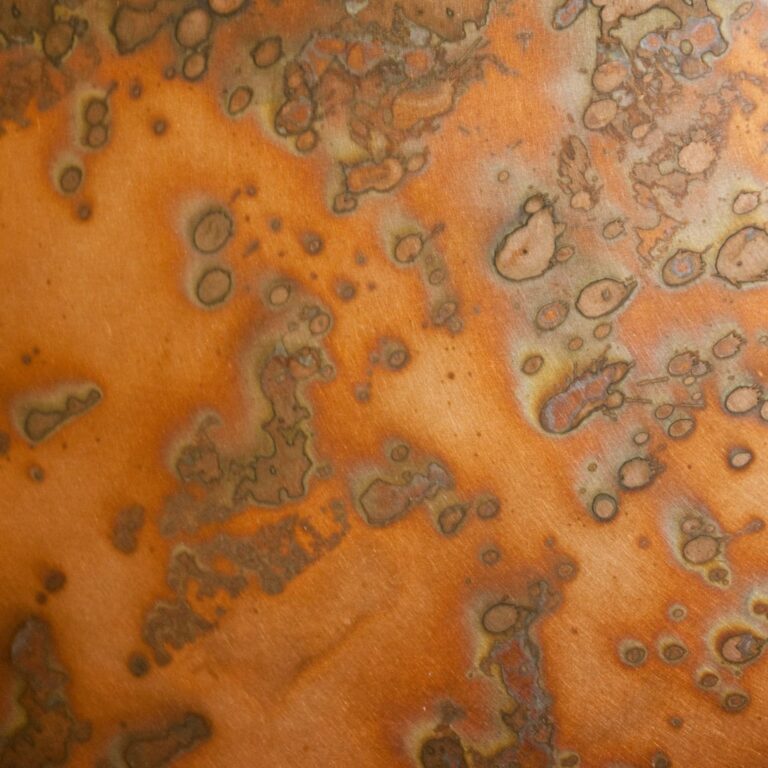
Copper Guide Part 3: Dirty Penny™ Iridescent Copper Patina

Copper Guide Part 3: Dirty Penny™ Iridescent Copper Patina

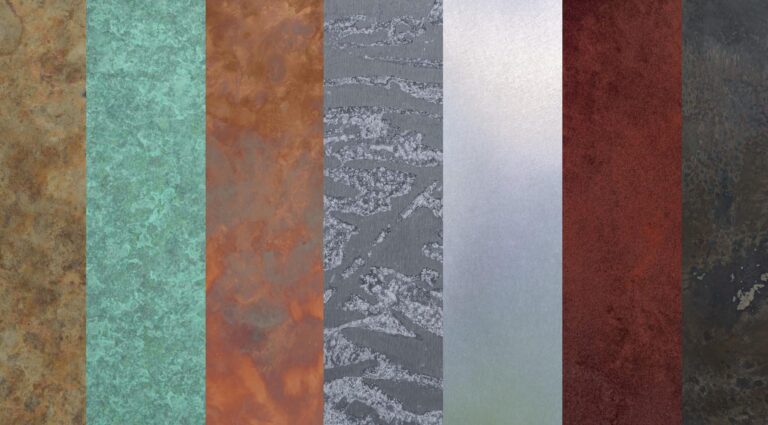
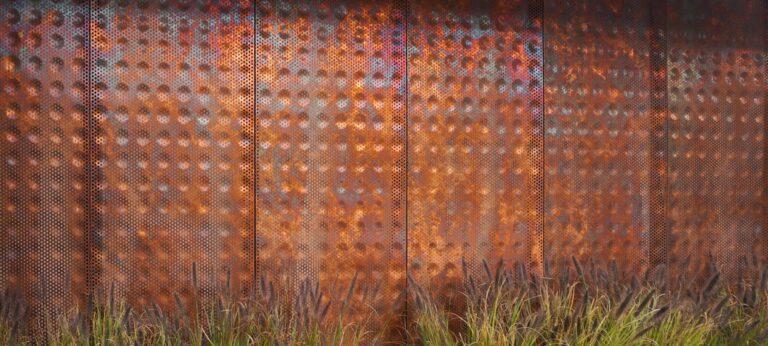
Explore Dirty Penny™ Copper, a richly layered surface that captures the warmth and depth of naturally aged copper while offering greater consistency and control. Its irridescent tones and subtle variation create a material presence that feels both timeworn and intentional, expanding the design vocabulary for architects seeking patina with depth, stability, and long-term performance.
Copper Guide Part 2: Finishes, Patinas, and Textures

Copper Guide Part 2: Finishes, Patinas, and Textures

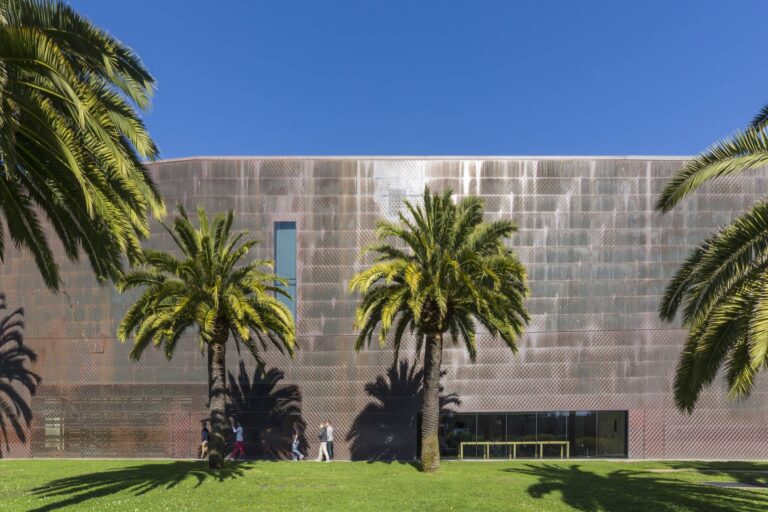
Explore the rich array of copper finishes, patinas, and textures that give the material its characteristic depth and expressive range. From naturally developing verdigris to engineered surface treatments, these variations influence how copper interacts with light, time, and environment — shaping everything from subtle tonal shifts to dramatic color transitions. Understanding these surface possibilities helps designers wield copper not just as a structural metal, but as a dynamic, evolving aesthetic component in architectural and sculptural work.

Copper Guide Part 1: History, Alloys, and Architectural Legacy

Copper Guide Part 1: History, Alloys, and Architectural Legacy

Explore how copper and its alloys have shaped human creativity and construction from ancient civilizations to the present day. Celebrated for its warm tones, durability, and timeless patina evolution, copper has been both a practical material and a design catalyst — influencing iconic forms in architecture, craft, and engineering. Its adaptability across climates and applications reflects a material legacy that continues to inspire contemporary design sensibilities and technical innovation.

4 Ways to Improve Architectural Materials Selection

4 Ways to Improve Architectural Materials Selection

To maintain clarity and consistency for all stakeholders across the industry, the American Institute of Architects (AIA) defines Five Phases of Architectural Design: Schematic Design, Design Development, Construction Documents, Bidding, and Construction Administration. Of these five stages, the first two: Schematic Design and Design Development — focused on building needs, designs, and materials — are arguably the most challenging and laborious in terms of getting started and building momentum. Here’s a four-step process that can make it easier to get started, explore more concepts and materials, and deliver the best designs for the project and client.

Stainless Steel Guide Part 3: Surface Innovations and Ambient Reflectivity

Stainless Steel Guide Part 3: Surface Innovations and Ambient Reflectivity

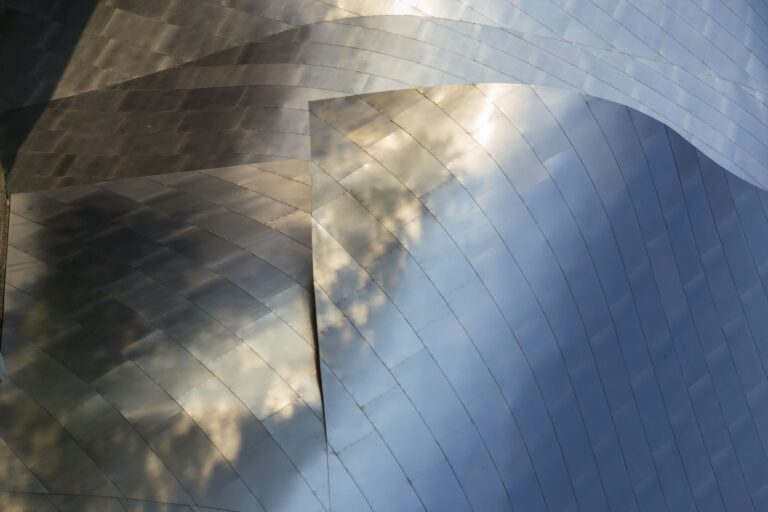
Explore how stainless steel finishes engineered for high light diffusion and controlled reflectivity are expanding contemporary architectural applications. Finely textured surfaces like Angel Hair® and GB-60™ soften glare, scatter ambient light, and create visual depth without sacrificing durability or performance. These finishes make stainless steel especially well-suited for façades, interiors, and environments where subtlety, movement, and human-scale experience matter as much as strength and longevity.