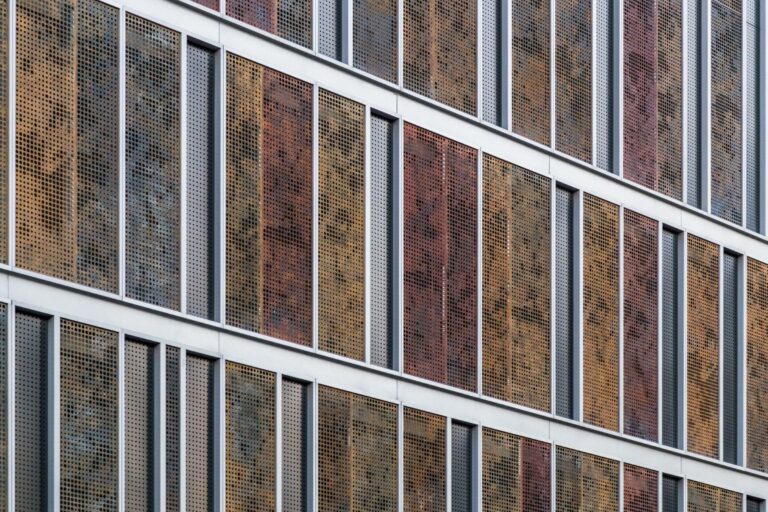
Open Area Calculations for Perforated Metal Panels & Why They’re Important
The open area of a perforated metal panel determines not just how it looks but how it weathers, shades, ventilates, performs, and functions.


The open area of a perforated metal panel determines not just how it looks but how it weathers, shades, ventilates, performs, and functions.
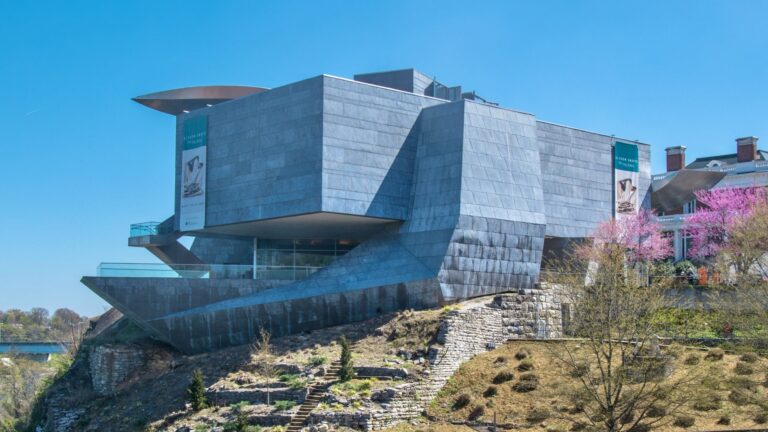
Explore the distinctive attributes, alloys, and finishes that make zinc a versatile architectural metal. From alloying elements like copper and titanium that enhance strength and durability, to surface treatments and patinas that shape both performance and appearance, this overview clarifies how zinc is engineered for modern building applications. The result is a clearer understanding of zinc not just as a raw material, but as a refined choice offering with great architectural potential.
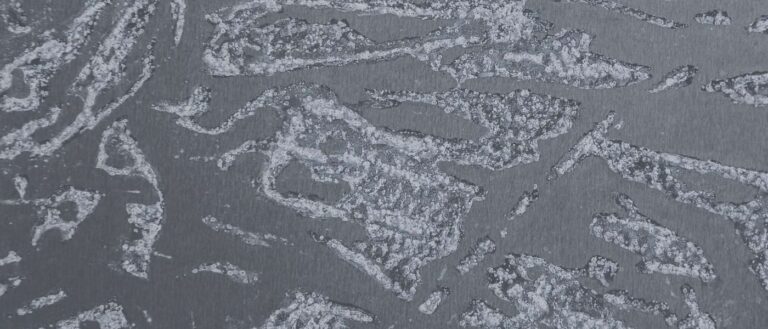
Zinc’s path from obscure material to architectural staple echoes broader shifts in how builders and designers evaluate performance, longevity, and aesthetics. Learn how zinc moved from the margins of metallurgy into widespread architectural use, examining the technological advances, cultural influences, and practical qualities that makes it a compelling material in contemporary architecture.
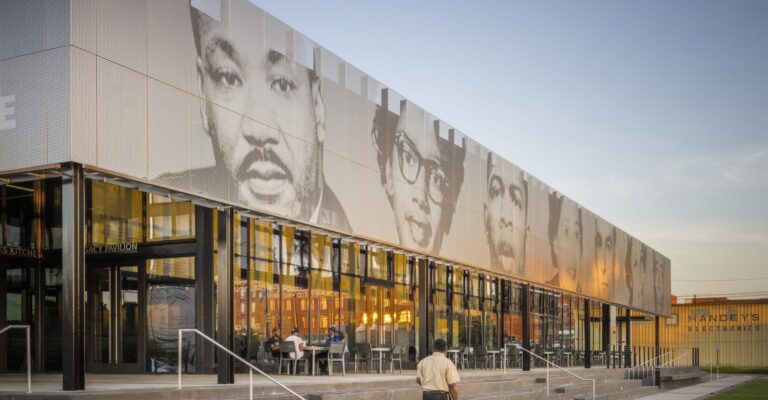
In “An Architect’s Guide to Graphic Perforated Metal Panels”, Architizer editors explore the creative potential of perforated metal panel systems like Zahner ImageWall® – and its latest innovation Zahner ImageLines® – from the design process to technical detailing and application.
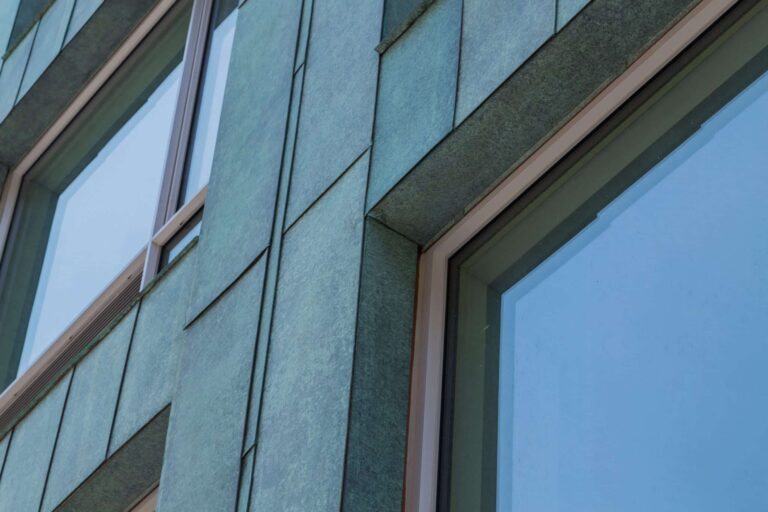
Discover the distinct beauty of Star Blue™ Copper's blue-green patina, where oxidation and surface chemistry combine to produce a range of cool hues that evoke sky, water, and aged verdigris. Unlike traditional patination, these tones are engineered for a controlled response, creating surfaces with natural variation — and without the inconsistencies of natural patination. Star Blue offers designers a bold material with enduring performance.